China has become a central sourcing base for Covered Spandex Yarn, supported by large-scale chemical fiber production and integrated textile manufacturing. Reports from the China Chemical Fibers Association indicate that China holds a dominant position in global spandex capacity. International market studies, including Grand View Research and IMARC Group, also forecast continued growth in spandex demand. Stretch denim, sportswear, underwear, and medical textiles remain major application areas.
The numbers are encouraging. They are not enough.
Choosing a Chinese supplier requires more than comparing price per kilogram. Buyers should examine spandex denier, yarn count, covering structure, elongation, recovery, tensile strength, and evenness. A reliable factory should provide recent laboratory results, production samples, and batch-level traceability. Certifications such as ISO 9001, OEKO-TEX STANDARD 100, and REACH-related compliance can strengthen confidence, but certificates must be verified. Paperwork alone proves little.
Practical experience matters. Ask whether the supplier can maintain stable tension during high-speed knitting. Check whether the yarn shows exposed spandex after dyeing, repeated washing, or heat setting. Request samples from different production lots. Small differences can become visible as stripes in a finished fabric. Sustainability should also be assessed through energy use, wastewater controls, recycled input claims, and supplier transparency. The Higg Index and Textile Exchange reports offer useful frameworks, although they do not replace an independent audit. This guide explains how to compare China’s top suppliers with evidence, not marketing language. Some evaluations may remain subjective, and that limitation deserves acknowledgment. A cheaper yarn can become an expensive production problem.
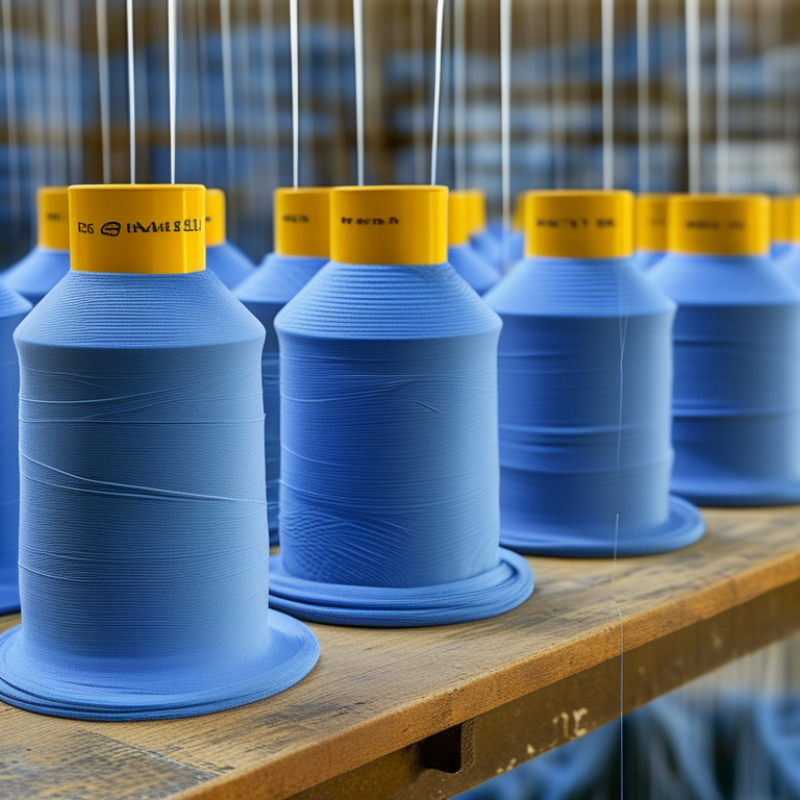
Covered spandex yarn combines an elastic spandex core with one or more layers of filament or spun yarn. The outer layer protects the core and improves handling, appearance, and fabric comfort. Single-covered yarn has one wrapping yarn, while double-covered yarn uses two layers for better coverage and stability. It stretches, recovers, and blends smoothly with other fibers.
Manufacturers use it in socks, sportswear, underwear, swimwear, seamless garments, and stretch denim. It can also support medical textiles and fitted home fabrics. When choosing a Chinese supplier, check the yarn count, spandex percentage, covering method, elongation, recovery, and color consistency. Ask for test reports and production samples. A polished catalog is not enough.
Tips: Test the yarn after knitting, washing, and drying. Check bare spandex, uneven covering, and excessive tension. Confirm packaging, lead time, and quality inspection procedures in writing. Small sample differences can become visible fabric defects. I have found that recovery performance may change with heat and dyeing, so the final process should be tested before bulk production. No specification replaces a real trial.
Chinese suppliers are often considered for covered spandex yarn because they combine broad production capacity with practical textile experience. Many factories operate near spinning, covering, dyeing, and knitting clusters. This can shorten communication between related processes. It may also reduce sampling time and transport costs. Buyers can often request different spandex counts, nylon or polyester coverings, colors, and twist levels from one production base. The range is useful.
Reliable suppliers usually provide technical data before quoting. Ask about yarn count, covering ratio, elongation, recovery, oil content, and package weight. A serious factory should explain its testing method clearly. Request recent sample cones, not only photographs. During evaluation, check unwinding tension, surface evenness, and behavior after knitting. Small defects become visible under machine tension.
Quality consistency matters more than an attractive first price. Chinese manufacturers may offer competitive pricing through mature equipment, skilled operators, and established raw-material networks. However, a low quotation can hide weaker inspection or unstable raw materials. I have found that written specifications prevent many disagreements. Confirm tolerances, carton details, labeling, payment terms, and shipment schedules in advance. Factory audits, video inspections, and third-party testing add useful evidence. No supplier is perfect. Even a well-organized factory can face seasonal delays or equipment maintenance. Leave room for corrective action, and keep approval samples for comparison. Test production conditions before committing to a large order.
Chinese suppliers are often considered because they offer multiple covered-yarn constructions, flexible customization, and an established textile manufacturing ecosystem. The chart compares typical spandex-content levels by construction type, which can help buyers shortlist yarns for hosiery, socks, underwear, sportswear, and seamless fabrics. Actual specifications should be confirmed through the supplier’s technical datasheet and sample testing.
Data shown are indicative midpoints of commonly specified industry ranges and are intended for preliminary supplier evaluation.
China’s covered spandex yarn market offers many capable factories, but capacity alone proves little. Textile Exchange’s Materials Market Report 2024 recorded 124 million tonnes of global fiber production in 2023. Synthetic fibers represented about 67% of that volume. This scale makes consistency more important than a low quotation.
Compare denier, spandex percentage, covering direction, elongation, recovery, and yarn evenness. Request recent laboratory reports, not only product brochures. ISO 2062 tensile testing and controlled washing tests can reveal hidden differences.
Ask each supplier for samples from three production lots. Test them on your actual knitting or weaving machines. Check package hardness, winding shape, oil stains, broken filaments, and recovery after repeated stretching. Factory audits should review calibration records, humidity control, worker training, and complaint handling. I have found that a polished sample can hide weak batch control. That uncomfortable possibility deserves attention.
Tips:
Build a simple scorecard. Give quality 40%, consistency 25%, delivery 15%, technical support 10%, and price 10%.
Textile Exchange also expects global fiber production to approach 160 million tonnes by 2030, increasing pressure on traceability and responsible sourcing. Ask for recycled-content evidence when relevant, and verify certificates with the issuing body. A supplier who answers slowly may still produce excellent yarn, but slow answers create operational risk. Always approve a pilot order before signing a larger contract.
When choosing a covered spandex yarn supplier, quality starts with measurable specifications, not attractive samples. Textile Exchange’s 2024 Materials Market Report estimates elastane at about 1% of global fiber production in 2023. This small share makes technical consistency especially important for activewear and hosiery production.
Request the yarn’s denier, filament count, covering type, draft ratio, and core exposure tolerance. Check tensile strength, elongation, and elastic recovery under ISO 2062 or ASTM D2256 test conditions.
A useful sample should also show yarn evenness, oil content, package weight, and splice frequency. For fabric performance, test repeated stretch cycles, washing resistance, and dimensional recovery. ISO 6330 washing procedures can support comparable laboratory results.
Do not accept “high recovery” without numbers.
Chemical control deserves equal attention. Ask for restricted-substance testing against current market requirements, plus a valid textile safety certificate where applicable. The Oeko-Tex Standard 100 framework is often used to screen harmful substances in finished textile components.
Still, certificates can expire, and paperwork may not represent every production batch. Request recent batch reports and retain sealed samples.
In practice, I have found that a slightly lower elongation can be safer than unstable recovery.
Supplier data may look excellent, yet knitting tension can expose hidden variation. That uncomfortable gap needs testing.
Selecting a covered spandex yarn supplier requires more than comparing prices. Ask for recent product samples, technical data sheets, and batch test reports. Check yarn count, stretch recovery, covering method, twist level, and recommended knitting settings. A reliable supplier should explain these details clearly.
Request a small trial order before signing a large contract. Test the yarn on your actual machines, not only in a laboratory. Watch for uneven covering, broken filaments, oil stains, and tension changes during production. Confirm lead times, minimum order quantities, packaging, and replacement procedures in writing. A polished website is not proof of production capacity.
Tips: Visit the factory when possible, or arrange a live video inspection. Check whether production records support the supplied batch number. Ask for references from comparable textile manufacturers, while protecting confidential information. Independent laboratory testing can verify stretch, color fastness, and harmful-substance limits. Communication matters too. Slow replies may become costly during urgent production changes. My own judgment would not rely on one successful sample; repeated consistency matters more. Even experienced buyers can overlook storage conditions, which may affect yarn performance.
Compare denier, spandex percentage, covering direction, elongation, recovery, and yarn evenness. Small differences matter. Ask for recent laboratory reports, not only brochures.
Request samples from three separate production lots. Test them on your actual knitting or weaving machines. One sample proves little.
Check package hardness, winding shape, oil stains, broken filaments, and uneven covering. Monitor tension changes during production. Look closely.
Use tensile testing and controlled washing tests. These can measure strength, stretch, recovery, and performance after repeated washing. Results may vary by equipment.
Review calibration records, humidity control, worker training, production records, and complaint handling. Confirm that batch numbers match supplied materials. A polished facility can still have weak controls.
Build a simple scorecard. Give quality 40%, consistency 25%, delivery 15%, technical support 10%, and price 10%. The percentages are adjustable.
Confirm lead time, minimum order quantity, packaging, replacement procedures, and payment conditions in writing. Slow replies can create operational risk during urgent changes.
Yes. Test a small order on real machines before approving larger volumes. Check repeated consistency, storage conditions, and production behavior. One successful trial may mislead you.
Request recycled-content evidence when relevant. Verify certificates through the issuing organization. Do not rely on copied documents or website claims alone.
The supplier should explain technical details clearly and answer practical questions directly. Fast replies help, but speed does not prove quality. Consistent evidence matters more.
Covered Spandex Yarn is an elastic yarn made by wrapping spandex with one or more layers of another fiber, such as polyester or nylon. It combines stretch, recovery, softness, and improved durability, making it suitable for underwear, sportswear, socks, seamless garments, swimwear, and other close-fitting textiles. Chinese suppliers are often considered because they can offer broad production capacity, flexible customization, competitive pricing, and experience serving diverse textile applications.
When comparing suppliers, buyers should review yarn specifications, covering method, denier, stretch percentage, recovery performance, color consistency, strength, and resistance to washing or heat. Quality certifications, testing procedures, production equipment, lead times, minimum order quantities, packaging, and communication efficiency should also be evaluated. Before placing an order, request samples, technical data, inspection reports, and clear quotations. A reliable supplier should provide consistent quality, transparent production information, responsive support, and practical solutions that match the buyer’s fabric, machine, and end-use requirements.

Yibang Textile