Choosing reliable China Top Hosiery Yarn Suppliers for Global Buyers requires more than comparing online prices. Hosiery Yarn affects comfort, stretch, dye performance, and production consistency. A supplier may offer attractive samples, yet fail during repeated bulk deliveries. That gap matters.
Experienced buyers usually inspect fiber composition, yarn count, twist, strength, elongation, and moisture control. They also request lab reports, production samples, and clear tolerance ranges. For socks, tights, sportswear, and seamless garments, these details influence machine performance and final fit. A practical review should examine factory capacity, quality systems, export experience, packaging, and communication speed. Look closely.
Reliable Chinese manufacturers often support custom colors, recycled fibers, covered yarns, and different spinning methods. However, “top” does not mean perfect for every buyer. One factory may excel in nylon-covered yarn, while another performs better with cotton blends or recycled polyester. Minimum order quantities can also change the real purchasing cost. Freight terms, lead times, and after-sales support deserve equal attention.
This guide compares supplier strengths through a buyer-focused lens. It considers technical evidence, customer service, production transparency, and long-term reliability. Site audits and independent testing remain valuable when specifications are critical. Online information can be incomplete. That is worth remembering. The right Hosiery Yarn partner should provide stable quality, honest documentation, and practical solutions when production problems appear. In global sourcing, trust develops through verified performance, not promises alone.
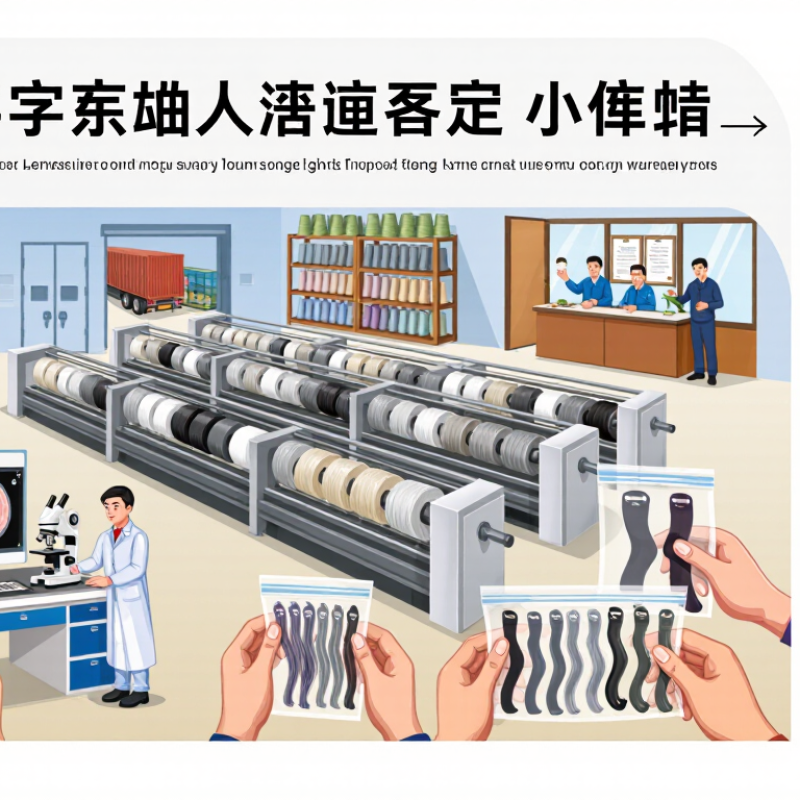
China Top Hosiery Yarn Suppliers for Global Buyers?
Hosiery yarn is engineered for socks, tights, stockings, and seamless garments. It commonly combines cotton, nylon, polyester, or elastane. The yarn must balance softness, stretch recovery, abrasion resistance, and stable dyeing. A sock may feel smooth on the first try. It still needs to survive repeated washing and daily friction.
Supplier selection matters because small yarn differences can change knitting efficiency and garment fit. Cone winding, hairiness, twist, moisture, and dye-lot consistency deserve close inspection. ISO 2060 supports yarn linear-density testing, while ISO 2062 covers yarn tensile properties. These tests create useful evidence, not vague promises. Textile Exchange reported that global fiber production reached about 124 million tonnes in 2023. It may reach 160 million tonnes by 2030. This growth increases material choices, but also complicates responsible sourcing.
China remains important for buyers seeking varied blends, flexible production, and export experience. However, low pricing can hide uneven recovery or inconsistent batches. Requesting laboratory reports, pre-production samples, and traceability records is practical. The Global Textile Industry Survey from ITMF has repeatedly shown that weak demand and cost pressure affect textile manufacturers. Therefore, a supplier may promise capacity today and struggle during peak seasons. That risk deserves discussion. A better review checks lead times, replacement procedures, restricted-substance compliance, and communication quality. Not every “qualified” yarn performs equally. Testing a knitted sample under real washing conditions may reveal more than a polished specification sheet.
Hosiery yarn is yarn engineered for socks, tights, stockings and other close-fitting knitted products. Fiber moisture regain is an important material property because it affects comfort, static control and drying behavior. The values below are representative standard reference values: actual performance varies with fiber grade, blend ratio, yarn structure and finishing. Buyers should also evaluate count accuracy, tensile strength, dyeing consistency, certifications and delivery reliability when selecting a supplier.
China Top Hosiery Yarn Suppliers for Global Buyers?
Chinese hosiery yarn suppliers commonly offer cotton, nylon, polyester, elastane, and blended yarns. Cotton provides a soft, breathable hand feel for everyday socks. Nylon improves abrasion resistance around toes and heels. Elastane adds stretch and recovery, especially in athletic hosiery. Polyester supports quick drying and color stability.
The Textile Exchange Materials Market Report 2024 estimates global fiber production reached 124 million tonnes in 2023. Polyester represented about 57% of output, while cotton contributed roughly 19%. These figures explain why both fibers remain widely available in China. Recycled polyester is also gaining attention, although certification and traceability require careful checking. Tips: Request yarn count, twist, elongation, breaking strength, moisture regain, and dyeing records before sampling. Test a knitted tube, not only a loose yarn cone.
Experienced buyers should compare performance against the final sock structure. A fine-gauge dress sock needs smoothness and low hairiness. A sports sock needs recovery after repeated stretching. Suppliers may provide standard test results, but factory conditions can change. Ask for batch samples and confirm testing methods, such as ISO 2062 for tensile properties. A small inconsistency can create visible striping after knitting. I have seen specifications look perfect on paper, yet the finished fabric felt too stiff. That gap deserves honest review. Prices also depend on denier, fiber blend, dyeing, recycled content, and order volume.
China’s hosiery yarn manufacturers should be evaluated beyond price and catalog photos. Textile Exchange’s Materials Market Report 2024 estimates global fiber production reached 124 million tonnes in 2023. It may reach 160 million tonnes by 2030. This pressure makes traceability and material consistency important for buyers.
Request yarn count, twist, elongation, strength, and moisture data for every proposed batch. ISO 2060 supports linear-density testing, while ISO 139 defines standard textile-conditioning conditions. A reliable factory should provide recent laboratory records, not only a polished sample. Check cones under bright light. Look for uneven winding, fuzz, oil marks, and color variation. Small defects can become visible stripes in fine-gauge socks.
Production capacity also needs practical verification. Ask for monthly output, minimum order quantity, dye-lot controls, and replacement procedures. The ITMF Global Textile Industry Survey has repeatedly shown volatile textile demand and cautious investment, so claimed capacity may not equal available capacity. I once treated capacity as a simple number. That was too optimistic. Ask whether the same machines serve other urgent orders.
For recycled yarn, request transaction certificates and scope details from recognized certification systems. Do not accept a sustainability statement without chain-of-custody evidence. Compare three sample lots after washing, stretching, and abrasion testing. The cheapest supplier can become expensive when returns, delays, and inconsistent dyeing enter the calculation.
Global hosiery buyers often assess Chinese yarn suppliers beyond price. The real test is consistency from cone to finished sock. Experienced sourcing teams request technical data before approving samples. Key details include fiber composition, denier, twist, elongation, moisture regain, and color fastness. A supplier should explain how each value is measured. Vague answers create problems later. Good factories provide lot numbers, retain samples, and clear inspection records. This makes corrective action faster when shade or strength changes.
Quality systems deserve close checking. ISO 9001 can indicate controlled procedures, but a certificate alone proves little. Buyers should confirm its scope, validity, issuing body, and covered production site. For skin-contact hosiery, OEKO-TEX Standard 100 testing can help screen harmful substances. Recycled yarn projects may require GRS certification and chain-of-custody evidence. Social compliance should be verified through current audits, worker interviews, and document reviews. Certificates matter most when matched with recent test reports.
Production capability is visible in the details. Ask whether the mill controls spinning, air covering, texturing, dyeing, and winding internally. Some suppliers outsource dyeing, which can affect lead times and shade control. A practical audit checks clean floors, calibrated instruments, humidity control, and separate lot storage. Request a trial order that mirrors commercial conditions. Test abrasion, pilling, washing, and repeated stretch. No mill is perfect. Even strong suppliers may show uneven dye uptake or delayed documentation during busy seasons. That weakness should be recorded, discussed, and corrected before volume production.
Importing hosiery yarn from China starts with a precise product brief. State fiber composition, yarn count, twist, color standard, cone weight, and target machine gauge. For socks, request data on strength, elongation, evenness, abrasion resistance, and pilling. Small details matter. A supplier may quote “polyester yarn” without explaining recycled content or finishing treatment.
Global buyers should compare factories, not only trading quotations. Ask for business licenses, production capacity, export experience, and recent test reports. Order samples from the same lot when possible. Then knit trial socks. Check feeding stability, breakage, shade consistency, and surface feel after washing. A factory video helps, but it does not replace an audit or inspection. In practice, the cheapest sample can create the highest rework cost.
Before placing an order, confirm Incoterms, lead time, minimum order, packaging, and payment milestones. Your customs broker should verify HS classification, duties, labeling rules, and required origin documents. Keep the commercial invoice, packing list, bill of lading, and inspection records consistent. Ask whether destination regulations restrict chemical residues, dyes, or fiber claims. A pre-shipment inspection can check cone count, carton marks, moisture, and random tensile results. Do not rely on promises alone. Forecasts can be wrong, especially with seasonal colors. A smaller first shipment may protect cash flow, although its unit cost can be higher.
Hosiery yarn is designed for socks, tights, stockings, and seamless garments. It may combine cotton, nylon, polyester, or elastane. The yarn should feel soft, stretch well, and resist daily friction. A smooth first touch proves very little.
Small yarn differences can affect knitting speed, garment fit, and washing performance. Poor recovery may leave socks loose after repeated use. Uneven dyeing can create visible stripes. Price alone is not enough.
Request yarn count, twist, elongation, strength, moisture, and hairiness data. Check whether results come from recent laboratory tests. Compare the figures across several batches. One sample can mislead.
Examine cones under bright light before production. Look for uneven winding, fuzz, oil marks, and color changes. Small defects may become obvious in fine-gauge socks. Use your eyes carefully.
Ask for monthly output, minimum order quantities, and realistic lead times. Confirm whether the same machines serve urgent orders. Peak-season availability may differ from advertised capacity. Capacity is not simple.
Test knitted samples for washing, stretching, abrasion, and color stability. Linear-density and tensile tests provide useful evidence. Follow consistent textile-conditioning conditions during comparisons. Real washing can reveal unpleasant surprises.
Request certification documents, transaction records, and chain-of-custody details. Match the documents with the proposed material and production batch. Do not rely on a sustainability statement alone. Traceability needs evidence.
Compare at least three sample lots after washing and abrasion testing. Include returns, delays, replacement costs, and inconsistent dyeing. A cheaper cone may create expensive production problems. I once judged price too quickly.
Hosiery Yarn is a foundational material for producing socks, tights, stockings, leggings, and other stretchable knitted garments. Choosing the right supplier matters because yarn quality directly affects softness, elasticity, color consistency, durability, comfort, and production efficiency. Chinese suppliers commonly offer covered yarn, spandex yarn, nylon yarn, polyester yarn, cotton-blend yarn, recycled yarn, and other options designed for different hosiery applications. Buyers should compare fiber composition, yarn count, stretch recovery, dyeing performance, customization capacity, minimum order quantities, lead times, and technical support.
When evaluating China’s hosiery yarn manufacturers, global buyers should review quality-control procedures, testing equipment, production capacity, export experience, and relevant certifications. Clear specifications, sample testing, factory communication, and pre-shipment inspection can help reduce quality risks. Importers should also confirm packaging, labeling, shipping terms, customs documentation, payment arrangements, and compliance with destination-market requirements. A careful sourcing process enables buyers to build reliable supply relationships and obtain consistent Hosiery Yarn that meets both performance expectations and commercial needs.

Yibang Textile