Global textile production is under pressure to deliver strength, consistency, speed, and lower environmental impact. Weaving Yarn remains central to this equation because it forms stable fabrics for apparel, home textiles, workwear, and technical applications. The material choice becomes visible at the loom. It affects yarn breakage, fabric density, surface appearance, and production efficiency.
Scale matters. Textile Exchange’s Materials Market Report 2024 estimated global fiber production at approximately 124 million tonnes in 2023. The report expects production to reach about 160 million tonnes by 2030. Polyester represented nearly 57% of total fiber output, while cotton remained one of the most important natural fibers. These figures show why mills need dependable Weaving Yarn across synthetic, natural, and blended systems. Consistent twist, controlled moisture, and suitable tensile strength can reduce stoppages and improve fabric uniformity. Small differences matter.
The choice is not universal. A lightweight cotton fabric needs different yarn performance from industrial polyester fabric. Fiber origin, spinning method, sizing chemistry, loom type, and finishing conditions must be evaluated together. The International Textile Machinery Federation’s industry statistics also highlight continuing investment in modern spinning and weaving equipment, increasing expectations for yarn precision. Yet sustainability claims require caution. Recycled content does not automatically guarantee lower impacts across every supply chain. Life-cycle data, supplier traceability, testing records, and customer requirements should guide purchasing decisions. A practical trial remains valuable. One laboratory result may not predict real mill performance, especially under humid conditions or high-speed weaving. This article examines why Weaving Yarn remains a strategic choice, while recognizing its technical limits and the need for evidence-based sourcing.
Definition and Role of Weaving Yarn in Textile Production
Why Choose Weaving Yarn for Global Textile Production?
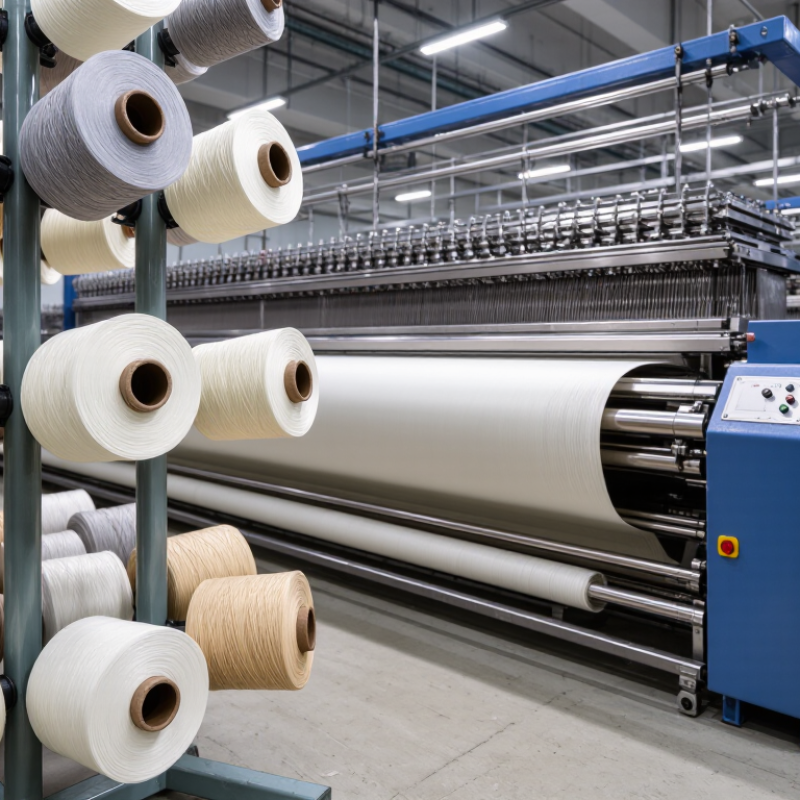
Weaving yarn is the continuous strand used to form woven fabric. It usually works as warp or weft yarn. Warp yarns run lengthwise, while weft yarns cross the fabric width. Together, they create structure, strength, and surface character. In practical production, yarn selection affects loom performance, fabric weight, and finishing results. Cotton, polyester, viscose, wool, and blended fibers offer different levels of softness, durability, and moisture control. The right choice depends on the final product, machinery, and target market.
Weaving yarn also supports consistent global textile production. A stable yarn count helps manufacturers control fabric density and reduce irregular patterns. Proper twist can limit breakage during high-speed weaving. However, no yarn performs perfectly in every condition. Humidity, storage time, and machine tension can change its behavior. This is where technical testing matters. Experienced teams often check strength, elongation, evenness, and surface friction before bulk production. Small defects may look harmless, yet they can create costly fabric faults.
Tips: Store yarn in a clean, dry room with steady humidity. Match yarn strength to loom speed and fabric design. Test a small batch before large-scale production. Record every result carefully. Sometimes, a cheaper yarn creates more waste. Reliability should be measured beyond the purchase price.
Key Types of Weaving Yarn and Their Material Properties
Choosing weaving yarn begins with fiber behavior, not a fashionable label. Textile Exchange’s Materials Market Report 2024 estimates global fiber production reached 124 million tonnes in 2023. Polyester supplied about 57%, while cotton contributed about 19%. Those volumes reflect industrial reality. Synthetic yarn offers high abrasion resistance, consistent tenacity, and quick drying. Polyester also tolerates tight loom tension, useful for upholstery, workwear, and high-speed plain weaves. Cotton gives a cooler hand, moisture absorption, and a softer break. It can, however, crease and lose strength when wet. No fiber wins every test.
Key yarn types include spun yarn, filament yarn, ring-spun cotton, open-end cotton, polyester filament, and blended constructions. Filament yarns create smooth surfaces and lower hairiness. Spun yarns add bulk and a familiar matte texture. A 65/35 polyester-cotton blend can balance durability with comfort, but blend ratios change dye uptake, shrinkage, and recycling routes. Man-made cellulosic yarns, including viscose and lyocell, provide softness and drape, yet their wet strength and process stability require careful evaluation. Textile Exchange reports that man-made cellulosic fibers formed roughly 6% of global production in 2023. Small trials matter. Check yarn count, twist, elongation, abrasion, and loom breakage before scaling. Recycled content is not an automatic quality guarantee. Feedstock, spinning quality, and finishing still decide performance. That assumption needs testing.
How Weaving Yarn Supports the Textile Manufacturing Process
Weaving yarn supports the textile manufacturing process by turning fiber into stable, usable fabric. Its twist, strength, and evenness affect warping, sizing, loom performance, and fabric appearance. In a working mill, operators can see the difference quickly. Uneven yarn creates broken ends, fuzzy surfaces, and repeated loom stops. Small defects spread.
Textile Exchange’s Materials Market Report 2024 estimated global fiber production at 124 million tonnes in 2023. This scale increases pressure on mills to control waste and maintain consistent output. Properly engineered weaving yarn helps reduce interruptions during high-speed production. It also supports clearer fabric structures, from lightweight shirting to dense technical cloth. The International Textile Manufacturers Federation’s 2024 industry survey highlighted continuing cost pressure and uncertain demand across textile manufacturing. Flexible yarn specifications can help mills adjust count, blend, strength, and color requirements without redesigning every process stage. That flexibility matters when orders change suddenly.
Yet yarn selection is not only a technical decision. A lower-priced yarn may create higher costs through stoppages, waste, and rework. Testing should include tensile strength, unevenness, hairiness, moisture behavior, and performance after sizing. No specification is perfect. A yarn that performs well on one loom may require adjustment on another. Experienced teams therefore compare laboratory results with actual weaving trials, recording breakage rates and fabric faults. The process is measurable, but never completely automatic.
Benefits of Choosing Weaving Yarn for Global Production
Why Choose Weaving Yarn for Global Textile Production?
Weaving yarn supports stable fabric production across different climates, machines, and supply chains. Its controlled twist helps reduce breakage during high-speed loom operation. This matters when a factory runs thousands of meters daily. Strong yarn also limits lint, uneven edges, and costly machine stops. In practical testing, technicians should check tensile strength, elongation, moisture regain, and abrasion resistance before full production.
Consistency is another important benefit. A reliable yarn batch keeps fabric weight, surface texture, and color absorption more predictable. This helps mills serve customers in several regions without changing settings repeatedly. Clear batch records and laboratory reports also improve traceability. Buyers can compare results instead of trusting attractive claims. Small details matter. A loose winding pattern can create tension problems, even when the yarn specification looks correct.
Weaving yarn can support different fibers, finishes, and fabric structures. Cotton-rich yarn may provide comfort, while synthetic blends can improve durability and drying speed. The right choice depends on the end use, loom design, and finishing process. There is no universal yarn solution. A cheaper option may increase waste later. I have seen production plans overlook storage humidity, which can affect yarn performance. Better decisions combine technical data, operator experience, and realistic trial runs before large-scale orders.
Quality, Sustainability, and Supply Chain Considerations
Why Choose Weaving Yarn for Global Textile Production?
Quality, sustainability, and supply chain stability shape every decision in global textile production. Weaving yarn must maintain consistent strength, twist, moisture control, and color performance. In factory trials, small variations often appear at high loom speeds. A loose package can cause tension changes, lint, or repeated stoppages. Practical quality checks should include tensile testing, evenness analysis, package inspection, and color verification.
Sustainability requires more than using recycled or bio-based fibers. Producers should examine water consumption, energy use, chemical management, packaging, and transport distances. Traceable fiber records can support responsible purchasing, but documentation alone is not proof. Independent audits and production data provide stronger evidence. Some lower-impact yarns may perform differently during weaving. That difference can increase waste if technicians receive no adjustment guidance. The greener option is not always the easiest option.
Supply chains also need realistic planning. Multiple qualified suppliers can reduce disruption, while regional inventory may protect urgent orders. Clear specifications help prevent substitutions that affect fabric quality. Shipment timing matters. A delayed container can interrupt an entire production schedule. Buyers should review lead times, minimum order quantities, batch consistency, and contingency plans before contracting. These checks require time and honest communication. No yarn is perfect. Even experienced teams can overlook seasonal humidity, port delays, or changing fiber availability. Careful monitoring keeps those weaknesses visible.
FAQS
Weaving yarn is a continuous strand used to make woven fabric. It forms the warp or weft. Warp runs lengthwise. Weft crosses the width.
Warp yarns face repeated tension during weaving. Weft yarns move across the fabric width. Both create structure.
Common options include cotton, polyester, viscose, wool, and blended fibers. Each offers different softness, strength, and moisture control.
Yarn count influences fabric density and weight. Twist affects breakage and surface appearance. Small changes can create visible faults.
They should test strength, elongation, evenness, hairiness, moisture behavior, and surface friction. A small trial matters.
Strong, even yarn can reduce broken ends and unexpected loom stops. It also supports stable production at higher speeds.
Laboratory results cannot show every production condition. Machine tension, speed, and sizing can change yarn behavior. One loom may disagree.
Store it in a clean, dry room with steady humidity. Protect packages from dirt, moisture, and long exposure. Storage details matter.
Not necessarily. Low-cost yarn may increase waste, stoppages, rework, and fabric defects. The purchase price is incomplete.
Record yarn count, test results, loom speed, breakage rates, and fabric faults. Review the details carefully. Some problems remain easy to miss.
Conclusion
Weaving Yarn is a fundamental material in textile production, forming the structural foundation of woven fabrics through the interlacing of warp and weft threads. Its performance depends on key properties such as strength, flexibility, fineness, moisture resistance, color fastness, and abrasion resistance. Common material options include cotton, polyester, nylon, rayon, wool, and blended fibers, each offering specific advantages for different fabric applications.
By selecting suitable Weaving Yarn, manufacturers can improve weaving efficiency, fabric consistency, durability, and production flexibility across global markets. High-quality yarn helps reduce breakage, minimize waste, and support stable manufacturing processes. At the same time, responsible sourcing, recycled or renewable materials, efficient packaging, and transparent supply chain management are becoming increasingly important. Careful evaluation of quality standards, environmental impact, delivery reliability, and supplier capacity enables textile producers to achieve a balanced combination of performance, sustainability, and cost efficiency.

 Yibang Textile